
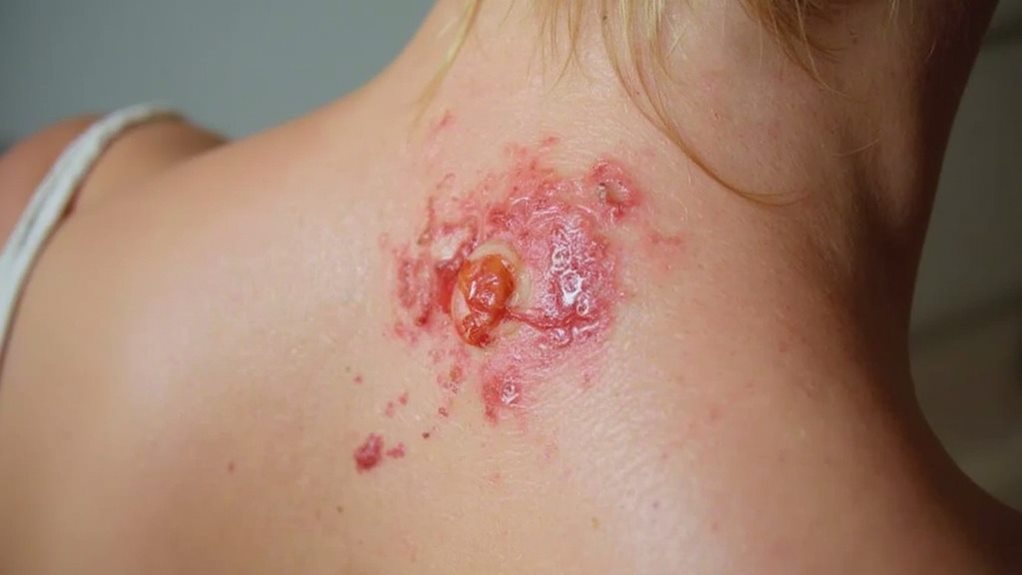
Syphilis, also known as kiła język, is a sexually transmitted infection that progresses through distinct stages, each with unique symptoms. The primary stage is characterized by a painless sore, or chancre, that appears at the infection site and heals naturally within 3-6 weeks. Unnoticed, this stage can lead to a secondary stage marked by non-itchy skin rashes, flu-like symptoms, and swollen lymph nodes. Early detection and treatment with antibiotics, such as benzathine penicillin, are essential to prevent serious health complications. But how can you identify these stages, and what are the consequences of delayed intervention?
Understanding Syphilis Symptoms
Understanding syphilis symptoms is essential for early detection and treatment. Syphilis is a bacterial sexually transmitted infection that progresses through several stages, each with distinct symptoms.
In the primary stage, a small, painless sore called a chancre appears at the site of infection, typically on the genitals, anus, or mouth. This sore heals on its own within three to six weeks but does not indicate that the infection has been eliminated[1][3]. Secondary syphilis symptoms emerge weeks to months later and include a non-itchy skin rash, possibly widespread or localized, along with flu-like symptoms such as fever, sore throat, fatigue, and swollen lymph nodes[2][4].
Without treatment, syphilis can progress to the latent stage, where no symptoms are present, but the infection remains active. The tertiary stage, which can occur years or decades later, can cause severe damage to organs, including the heart, brain, and blood vessels, and can lead to serious health complications. Recognizing the symptoms of syphilis and seeking medical attention promptly are vital to prevent long-term damage and transmission to others. Early diagnosis and treatment are key to managing the infection effectively[1][3][5].
Identifying the Primary Stage
The chancre is usually firm and round and may not always be noticeable due to its lack of pain and small size. It heals on its own within 3-6 weeks, regardless of treatment. However, if left untreated, the infection progresses to the secondary stage[4][5].
During the primary stage, individuals are highly contagious and can easily transmit the infection to their sexual partners through vaginal, anal, or oral sex. Early detection and treatment with antibiotics, such as benzathine penicillin, are essential to prevent further complications and transmission of the disease[2][4]. Recognizing the signs of primary syphilis allows for timely intervention, ensuring safety and health protection for both the infected individual and their partners.
Recognizing Secondary Syphilis
Secondary syphilis emerges after the primary stage, typically within two to six weeks following the disappearance of the chancre. This stage is characterized by a variety of symptoms, including a distinctive skin rash, mucous membrane lesions, and flu-like symptoms.
The rash, which can appear anywhere on the body, is often described as rough, bumpy, and non-itchy. It may be confined to one area or spread over multiple parts of the body, including the palms of the hands and the soles of the feet. Additionally, individuals with secondary syphilis may experience symptoms such as fever, sore throat, fatigue, joint pain, and swollen lymph glands.
It is vital to seek medical attention if any of these symptoms are recognized, as untreated secondary syphilis can progress to the latent stage, leading to serious complications such as damage to the heart, nerves, and organs over time. Regular STD testing and prompt treatment with antibiotics are essential to prevent long-term damage and to stop the spread of the infection. Early detection and treatment can cure secondary syphilis and prevent further complications.
Latent Stage Considerations
The latent stage is critical because it can lead to tertiary syphilis if left untreated, causing damage to the heart, brain, nerves, and bones. Prompt treatment with penicillin can prevent these complications. Individuals with latent syphilis should undergo careful examination of all accessible mucosal surfaces to evaluate for primary or secondary lesions and should also be tested for HIV. Regular monitoring is essential to detect any sustained increases in nontreponemal titers, ensuring early intervention and effective management of the infection[2][3][5].
Tertiary Syphilis Risks
Neglecting treatment during the latent stage of syphilis considerably increases the risk of progressing to tertiary syphilis. Tertiary syphilis represents the most severe stage of the infection, where damage to various organs and systems can occur, potentially leading to life-threatening complications.
Key risks associated with tertiary syphilis include damage to the brain, nerves, eyes, heart, bones, skin, and blood vessels. Symptoms can range from paralysis to blindness, deafness, heart disease, and difficulty coordinating movements[1][2][3]. Importantly, tertiary syphilis is not contagious, as it develops years or decades after the initial infection, during which time the individual is no longer capable of transmitting the disease[4].
Prompt identification and treatment of syphilis during earlier stages are essential to prevent the progression to tertiary syphilis. Regular screening is recommended for individuals at higher risk, such as those living with HIV, partners of people with syphilis, and pregnant individuals. Effective antibiotic treatment can cure syphilis, even in the tertiary stage, although it cannot reverse existing damage[1][4]. As a result, early detection and intervention are critical to prevent long-term complications.
Prevention and Treatment Methods
Prevention and treatment methods are essential in managing syphilis effectively. Syphilis is a sexually transmitted infection (STI) caused by a bacterium that can be cured with antibiotics. However, if left untreated, it can cause serious health problems and even death[1][3].
The most effective way to prevent syphilis is through the consistent and correct use of condoms during sex. This includes using condoms during vaginal, anal, and oral sex. People at higher risk of infection should be tested at least once a year[1][4]. Pregnant women should be tested for syphilis at the first prenatal care visit and treated immediately if the test result is positive[1][3].
Treatment for syphilis typically involves the antibiotic penicillin. It is vital to complete the full course of antibiotics even if symptoms disappear to guarantee the infection is fully cured[2][3]. After treatment, regular blood tests and follow-ups are necessary to confirm the infection has been eliminated and to prevent re-infection[3][4]. Early detection and treatment are key to preventing long-term health problems. Promoting safe sexual practices and regular testing are critical in controlling the spread of syphilis.