
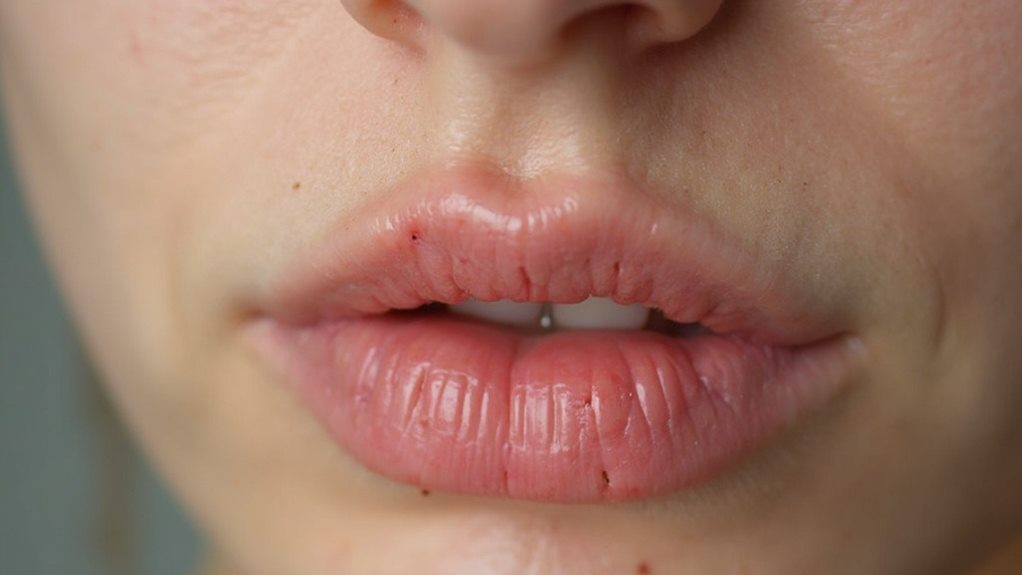
Syphilis on the penis, or "kiła na penisie" in Polish, is a sexually transmitted infection that manifests as a painless chancre on the genital area. Early detection and treatment are vital to prevent serious complications. The primary symptom is a singular, firm ulcer that heals spontaneously but can progress to systemic involvement if left untreated. Effective treatment involves antibiotics, primarily penicillin, tailored to the stage of the infection. Understanding the symptoms and appropriate treatment options is essential for timely intervention and to prevent further transmission. This article will explore the causes, stages, symptoms, diagnosis, and treatment of syphilis in more detail.
Causes and Transmission
Transmission is most likely during the primary and secondary stages of the infection when sores are present. Sexual contact with an infected person's chancre, a painless sore that appears on the genitals, anus, mouth, or rectum, is the primary mode of transmission. Sharing needles or other intravenous drug equipment can also transmit the bacteria.
Non-sexual transmission is rare but can occur through mother-to-child transmission during pregnancy or childbirth, leading to congenital syphilis. Early detection and treatment are vital to prevent further transmission and serious health complications. Regular sexual health check-ups, safe sex practices, and prompt treatment if infected can help protect individuals and their partners from syphilis[1][2][4]. Understanding the transmission routes and practicing prevention are essential for maintaining safety and health.
Stages of Syphilis
Primary Syphilis
This is the initial stage where a painless sore called a chancre appears at the site of infection, typically on the genitals, anus, or mouth. The chancre heals on its own within 3 to 6 weeks, but the infection is still contagious[1][3].
Secondary Syphilis
This stage begins with a skin rash and mucous membrane lesions. The rash often appears on the palms of the hands and soles of the feet. Secondary symptoms include fever, swollen lymph nodes, sore throat, and fatigue[1][3].
Latent Syphilis
In this stage, there are no symptoms, and the bacteria remain dormant. However, the infection can still cause damage to organs over time if left untreated[1][3].
Tertiary Syphilis
This final stage occurs if the infection is not treated. It can lead to serious complications such as cardiovascular disease, neurological problems, blindness, and death. Prompt medical attention is essential to prevent such outcomes[1][3].
Symptoms and Signs
Primary Syphilis: The first visible sign of syphilis is typically a small, painless sore (chancre) that appears at the site of infection, often on the penis. This sore may be hidden and not cause discomfort, leading many to overlook it. The chancre usually heals on its own within 3 to 6 weeks, but the infection remains unless treated.
Secondary Syphilis: About 2 to 10 weeks after the chancre appears, secondary symptoms may include a skin rash (often on the palms or soles), fever, swollen lymph nodes, sore throat, weight loss, hair loss, and fatigue. These symptoms can be intermittent and may resemble other common illnesses, making diagnosis challenging.
Latent and Tertiary Syphilis: Without treatment, syphilis progresses to latent and tertiary stages. Latent syphilis has no visible symptoms, but the infection remains. Tertiary syphilis can cause severe complications, including heart and organ damage, after many years. Regular testing is essential for timely intervention and preventing these complications. Early treatment is key to curing syphilis and preventing its progression.
Diagnosis Methods
Diagnosis of syphilis is primarily achieved through blood tests, which can detect the presence of the causative bacteria, *Treponema pallidum*, or the antibodies produced in response to the infection. These tests can confirm both current and past infections, as the antibodies remain in the body for years even after successful treatment[1][3].
Two main types of serologic tests are used for syphilis diagnosis: non-treponemal and treponemal tests. Non-treponemal tests, such as the RPR and VDRL, detect non-specific antibodies and require a treponemal test for confirmation to rule out false positives. Treponemal tests, like TP-PA or EIA, are more specific and used to confirm the diagnosis. A combination of both tests is necessary for accurate diagnosis, as relying on a single test can lead to false-negative or false-positive results[3][4].
In addition to blood tests, direct examination of fluid from sores or lesions using dark-field microscopy can also directly identify *T. pallidum*. For diagnosing neurosyphilis, cerebrospinal fluid (CSF) analysis may be necessary, considering both serologic tests and clinical symptoms[4].
Understanding these diagnostic methods is essential for early identification and effective treatment, which can prevent long-term complications and the spread of the disease.
Treatment and Prevention**
Effective management of syphilis involves both timely treatment and prevention strategies. Treatment typically involves antibiotics, with penicillin being the most commonly used medication. The dosage and duration of treatment depend on the stage and symptoms of the syphilis infection. It is vital to complete the full course of antibiotics, even if symptoms disappear, to guarantee the infection is fully cured[1][2].
Prevention strategies focus on reducing the risk of acquiring and transmitting the syphilis bacteria. The only definitive way to prevent syphilis is through abstinence from all forms of sexual contact. For sexually active individuals, using condoms or dental dams during sexual activities can greatly lower the risk of infection. Regular STI testing is also recommended, especially for those at higher risk, such as individuals with multiple sexual partners or those who engage in unprotected sex[4][5].
It is essential to inform recent sexual partners if you have been diagnosed with syphilis so they can also get tested and treated if necessary. This includes all partners from the past two years, as syphilis can live in the body for extended periods without causing symptoms[1].