
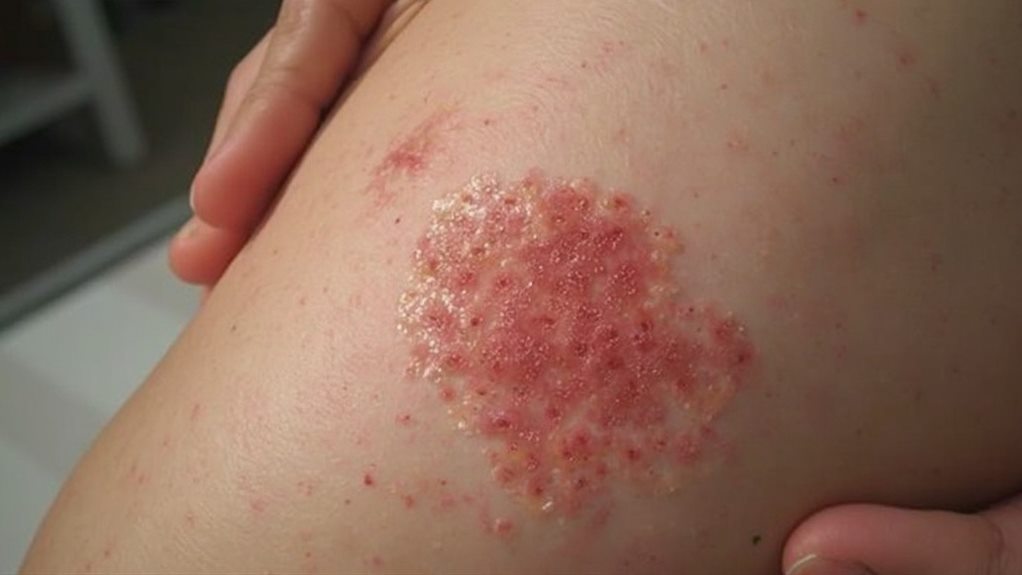
Early Kala-azar – Recognizing the Signs
Kala-azar, or visceral leishmaniasis, is a devastating disease that can be fatal if left untreated. Early recognition is essential for effective treatment and improving patient outcomes. Key symptoms include a persistent fever lasting over two weeks, weight loss, fatigue, abdominal swelling, and splenomegaly. Individuals exposed to endemic areas who experience these symptoms should seek medical attention promptly. Timely diagnosis through clinical evaluation and diagnostic methods can greatly enhance treatment efficacy. Understanding these early signs and the importance of prompt medical intervention lays the foundation for preventing severe complications and saving lives.
Symptoms of Early Kala-azar
Common early symptoms include fever, weight loss, and abdominal swelling[1][4]. As the disease progresses, additional symptoms may appear, such as enlargement of the spleen and liver, and abnormal blood tests indicating low red and white blood cell counts and platelet counts[4]. Patients may also experience fatigue, weakness, and appetite loss. It is essential to seek medical attention if these symptoms persist or worsen over time, especially after traveling to or living in areas where leishmaniasis is common.
Prompt diagnosis and treatment are vital as left untreated, visceral leishmaniasis can lead to severe and potentially life-threatening complications. Early recognition of symptoms can greatly improve prognosis and reduce the risk of long-term health issues.
How Kala-azar Spreads
Kala-azar, also known as visceral leishmaniasis, spreads primarily through the bite of an infected female sandfly. These sandflies are vectors that transmit *Leishmania* parasites to humans and other animals during their feeding on blood[1][2].
The spread of kala-azar is closely linked to poverty and poor sanitary conditions, which increase the breeding and resting sites for sandflies[1]. Environmental factors, such as deforestation, urbanization, and changes in temperature and rainfall due to climate change, also contribute to the spread of the disease by affecting sandfly populations[1].
Sandflies are most active during twilight hours, dusk to dawn, and their bites are often painless and unnoticed[3][5]. Human behavior, such as sleeping outside or on the ground, can increase the risk of being bitten[1][3]. In addition to the primary mode of transmission through sandfly bites, *Leishmania* parasites can also be spread through needle sharing and blood transfusions in rare cases[5]. Effective control measures include using insecticide-treated nets, applying insect repellents, and improving housing conditions to reduce exposure to sandflies[1][3].
Common Misdiagnoses
Diagnosing leishmaniasis, particularly in its early stages, can be challenging due to the non-specific nature of its symptoms, leading to frequent misdiagnoses. The symptoms of visceral leishmaniasis (kala-azar), such as fever, weight loss, hepatosplenomegaly, and pancytopenia, can be mistaken for other diseases like malaria, tuberculosis, and hematological disorders[1][3][5]. In endemic regions, underlying diseases can complicate diagnosis, making it vital for physicians to take leishmaniasis into account in their differential diagnoses.
In cases of post-kala-azar dermal leishmaniasis (PKDL), the skin lesions can be misdiagnosed as other dermatoses or cutaneous leishmaniasis, especially in patients without a known history of visceral leishmaniasis[4]. The use of serological tests and parasitological methods like bone marrow smear and PCR can aid in accurate diagnosis[2][3]. Early and accurate diagnosis is essential for effective treatment and preventing severe outcomes. It is important for healthcare providers to be aware of these common misdiagnoses and to utilize appropriate diagnostic tools to guarantee timely and accurate diagnosis of leishmaniasis. This awareness can greatly improve patient outcomes and reduce the risk of severe complications.
High-Risk Populations
High-risk populations for visceral leishmaniasis (VL) include individuals residing in endemic regions, particularly in Africa, Asia, and South America. These areas are characterized by poor housing conditions, lack of adequate sanitation, and malnutrition, which greatly increase the risk of transmission[1][2][3]. Populations in these regions, particularly children, the malnourished, and those with weakened immune systems, are at a higher risk of developing the disease.
Humanitarian aid workers, immigrants, and refugees who travel to or reside in these areas are also at risk due to increased exposure to infected sandflies[4]. Adventure tourists and long-term travelers in endemic regions should take preventive measures to avoid sandfly bites, especially from dusk to dawn when sandflies are most active.
Understanding the high-risk populations is vital for implementing targeted control measures, such as vector control, early diagnosis, and effective treatment to reduce the burden and mortality of visceral leishmaniasis. It is essential for individuals in these groups to be aware of the risks and take preventive measures to protect themselves from infection.
Early Diagnosis Techniques
Several techniques are employed for early diagnosis, including molecular methods and serological assays. Molecular techniques, such as PCR (polymerase chain reaction), are highly sensitive and specific, enabling the detection of *Leishmania* parasites in various tissue samples such as bone marrow and lymph nodes. These methods are vital for identifying symptomatic and asymptomatic carriers, which is key to VL elimination programs[2][3].
Serological methods, such as enzyme-linked immunosorbent assays (ELISAs), offer rapid and cost-effective testing options. The use of recombinant proteins, such as rLci5, has improved the diagnostic accuracy of serological tests, allowing for earlier detection of infected dogs and contributing to more effective control measures[1]. Accurate and timely diagnosis is essential for effective clinical management and treatment of VL.
Importance of Timely Treatment
How vital is timely treatment in managing visceral leishmaniasis? The urgency for timely treatment cannot be overstated. Visceral leishmaniasis, if left untreated, can lead to severe complications and mortality in up to 95% of cases within two years of symptom onset[1][2][3]. Early recognition and intervention are essential to prevent organ damage and secondary infections that often accompany this disease.
Prompt treatment with antiprotozoal medications, such as amphotericin B, greatly improves patient outcomes. This treatment regimen can lead to a cure in up to 95% of patients when administered correctly[1][3]. Additionally, addressing co-existing conditions like organ dysfunction, malnutrition, and bacterial infections is important to enhance the effectiveness of treatment and reduce mortality.
Timely treatment not only improves survival rates but also reduces the risk of long-term health consequences. This underscores the importance of rapid diagnosis and initiation of appropriate therapy. Patients suspected of visceral leishmaniasis should be referred to specialized medical care as soon as possible to guarantee the best possible outcome.
Preventing Kala-azar Infection
Preventing Kala-azar Infection is essential for controlling the spread of this life-threatening disease. Kala-azar, also known as visceral leishmaniasis, is a severe form of leishmaniasis that affects the internal organs such as the spleen, liver, and bone marrow if left untreated.
To prevent Kala-azar infection, it is vital to protect oneself from sand fly bites, which are the primary vectors of the disease. This can be achieved by wearing protective clothing that covers as much skin as possible, especially during peak sand fly activity hours from dusk to dawn. Applying insect repellents containing DEET or permethrin to exposed skin and clothing is also effective[2][4].
Using insecticide-treated bed nets and sleeping in air-conditioned rooms can further reduce the risk of bites. Outdoor activities should be minimized during the vectors' active hours, and fans can be used indoors to disrupt sand fly movement[3][5].
Additionally, controlling animal reservoir hosts and implementing vector control activities such as indoor residual spraying can help reduce the transmission of the disease. By taking these preventive measures, individuals can considerably reduce their risk of acquiring Kala-azar infection.