
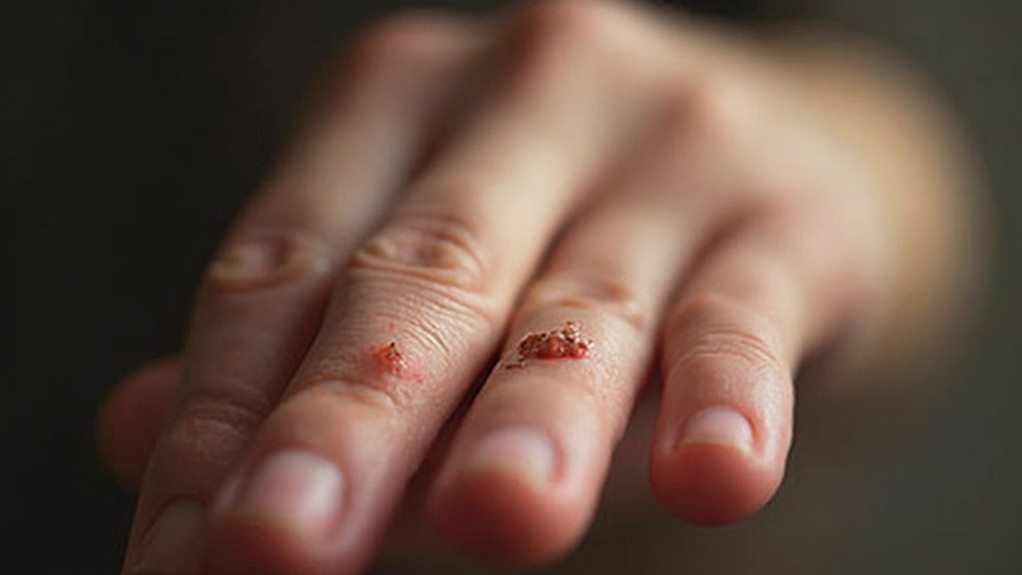
Kila Drugorzędowa, or secondary syphilis, is a vital phase of the syphilis infection. It manifests through various symptoms, including painless sores, rashes on the palms, soles, and other body parts, and systemic signs such as fever and swollen lymph nodes. If left untreated, it can progress to more severe stages, leading to serious health complications. Effective treatment primarily involves antibiotics, particularly penicillin, which is significant in eradicating the infection. To fully understand the implications of Kila Drugorzędowa and the importance of timely intervention, exploring its causes, diagnostic methods, and long-term effects is essential.
Understanding Kila Drugorzedowa
The primary symptoms of kila drugorzędowa include painless bleeding during bowel movements, the appearance of a small lump outside the anus that may retract spontaneously, and discomfort or itching. These symptoms are often exacerbated by constipation, long periods of standing or sitting, and other factors that increase abdominal pressure.
Treatment options for kila drugorzędowa typically involve lifestyle modifications such as increasing dietary fiber intake, staying hydrated, and practicing regular physical activity. Medical treatments can include over-the-counter hemorrhoid creams or suppositories and, in more severe cases, surgical procedures like rubber band ligation to remove the hemorrhoid tissue. It is imperative to consult a healthcare provider for proper diagnosis and to discuss the most appropriate treatment plan. Early intervention can prevent complications and improve quality of life. Proper hygiene and dietary habits are also essential in managing this condition.
Causes of Secondary Syphilis
Secondary syphilis occurs when the bacteria multiply and disseminate from the initial site of infection, usually appearing 2 to 8 weeks after the primary stage. The pathogens can be transmitted through direct contact with syphilitic ulcers or through blood during sexual activities, including vaginal, anal, and oral sex. In addition, infected mothers can pass syphilis to their unborn children during pregnancy or childbirth.
The failure to treat primary syphilis is a primary cause of secondary syphilis. Without treatment, the bacteria continue to multiply and cause systemic symptoms. It is vital to identify and treat syphilis in its early stages to prevent the progression to secondary and tertiary stages, which can lead to severe health complications and organ damage. Early detection and antibiotic treatment are essential for effectively managing the infection and preventing long-term damage.
Common Symptoms and Signs
Common symptoms include a non-itchy rash, which can appear on the palms of the hands, soles of the feet, and other body parts. This rash can vary in appearance from maculopapular to pustular and may be accompanied by fever, sore throat, malaise, weight loss, hair loss, and headache[1][3]. Additionally, patients may develop sores in the mouth, vagina, or anus, and experience symptoms such as fatigue, patchy hair loss, and muscle aches[4].
It is vital to note that secondary syphilis symptoms can resolve spontaneously, but without treatment, the infection progresses to more severe stages, including latent and tertiary syphilis, which can lead to severe neurological and cardiovascular complications. Early diagnosis and antibiotic treatment are necessary to prevent long-term damage and guarantee recovery[4][5].
Stages of Syphilis Infection
Syphilis infection progresses through distinct stages, each characterized by specific symptoms and varying levels of infectiousness.
The primary stage typically occurs within 10 to 90 days after exposure and is marked by the appearance of one or more painless sores, known as chancres, at the site of infection. These sores are highly contagious and can easily spread the infection to others through sexual contact. Without treatment, the infection progresses to the secondary stage.
The secondary stage usually begins a few weeks after the chancre heals. It is characterized by a rash, often appearing on the palms of the hands and soles of the feet, along with symptoms such as fever, sore throat, and swollen lymph nodes. This stage is also contagious.
If left untreated, syphilis progresses to the latent stage, during which no symptoms are present, but the bacteria remain in the body and can cause damage to organs over time. The final stage is tertiary (late) syphilis, which can occur years after the initial infection and may cause serious health complications, including cardiovascular issues and neurological damage. Effective treatment with medication is essential to prevent the progression of the disease and minimize long-term damage.
Diagnostic Tests and Methods
Diagnosing syphilis relies heavily on laboratory tests, which are performed to detect the presence of the bacteria causing the infection or the body's immune response to it. These tests are essential for identifying individuals with syphilis, allowing for prompt treatment and reducing the risk of transmission.
There are two primary types of serologic tests for syphilis: non-treponemal and treponemal tests. Non-treponemal tests, such as the Venereal Disease Research Laboratory (VDRL) test and the Rapid Plasma Reagin (RPR) test, detect non-specific antibodies that appear early in the infection. However, these tests can produce false-positive results due to other conditions or infections[1][2].
Treponemal tests, including the Fluorescent Treponemal Antibody-Absorption (FTA-ABS) test and enzyme immunoassays (EIA), detect antibodies specific to the bacteria *T. pallidum*. These tests are used to confirm the diagnosis and are generally more specific than non-treponemal tests but may not distinguish between past and current infections[2][3].
In practice, both types of tests are used in conjunction to guarantee accurate diagnosis. A reactive non-treponemal test is typically followed by a treponemal test to confirm the presence of syphilis infection. This all-encompassing approach helps in identifying and treating syphilis effectively[3][5].
Treatment Options and Outcomes
Effective management of syphilis involves a thorough treatment strategy that combines antibiotics with careful follow-up and partner notification. The most effective treatment for syphilis is penicillin, administered in appropriate doses depending on the stage of the disease[1][3]. Early stages of syphilis, including primary, secondary, and early latent syphilis, are typically treated with a single dose or a short course of penicillin.
In more advanced cases, such as late latent or tertiary syphilis, a longer treatment regimen may be necessary. It is essential to monitor the patient's response to treatment and guarantee that they adhere to the prescribed regimen. Partner notification and testing are also critical to prevent the spread of infection[3].
Prompt and appropriate treatment can lead to complete recovery, but delayed treatment may result in irreversible damage to various organs. As a result, it is imperative to seek medical attention immediately upon noticing symptoms or if there is a risk of exposure. Regular follow-up appointments are also necessary to guarantee that the infection has been fully cleared and to address any complications that may arise[3][4].
Complications and Long-Term Effects
Even with prompt and effective treatment, syphilis can have significant long-term effects if not adequately managed. Untreated syphilis can progress to tertiary syphilis, leading to severe complications that affect various parts of the body, including the heart, brain, blood vessels, and other organs[1][2][3].
Tertiary syphilis can manifest in different forms, such as neurosyphilis, which affects the brain and spinal cord, causing headaches, muscle weakness, personality changes, and memory problems[1][4]. Cardiovascular syphilis affects the aorta and other blood vessels connected to the heart, potentially leading to heart valve damage, aneurysms, and inflammation of the aorta[2][3].
If untreated, syphilis can also cause otosyphilis, which impacts hearing and balance, and ocular syphilis, which causes eye pain, blurry vision, and blindness[4]. Additionally, untreated syphilis in pregnant individuals can lead to congenital syphilis, causing severe health problems in newborns, including stillbirth, preterm birth, miscarriage, and long-term health issues[1][4].
Early detection and treatment are essential to prevent these complications. Antibiotics can effectively treat syphilis, but they cannot reverse long-term damage to organs and tissues. Consequently, it is essential to seek medical attention promptly if symptoms of syphilis occur and to maintain regular testing to prevent re-infection[2][3].
Prevention and Safe Practices
To prevent the transmission and progression of syphilis, adopting safe sexual practices is essential. Syphilis is a sexually transmitted infection (STI) that spreads primarily through vaginal, anal, or oral sex with someone who has it. The best preventive measures include using condoms or dental dams every time you have sex and getting tested regularly for STIs[1][4][5].
Regular testing is significant because many people with syphilis do not exhibit symptoms, or the symptoms may be minor and go unnoticed[2]. If you have syphilis, it is important to inform your past and present sexual partners so they can get tested and treated. Avoid having sex until you have completed your treatment and any syphilis sores have fully healed[1][3].
Preventing congenital syphilis is also critical for pregnant individuals. This can be achieved by getting tested at the first prenatal visit, at 28 weeks of pregnancy, and right after giving birth[5]. Consistent and correct use of condoms, regular testing, and prompt treatment of positive cases are key strategies in preventing the spread of syphilis.