
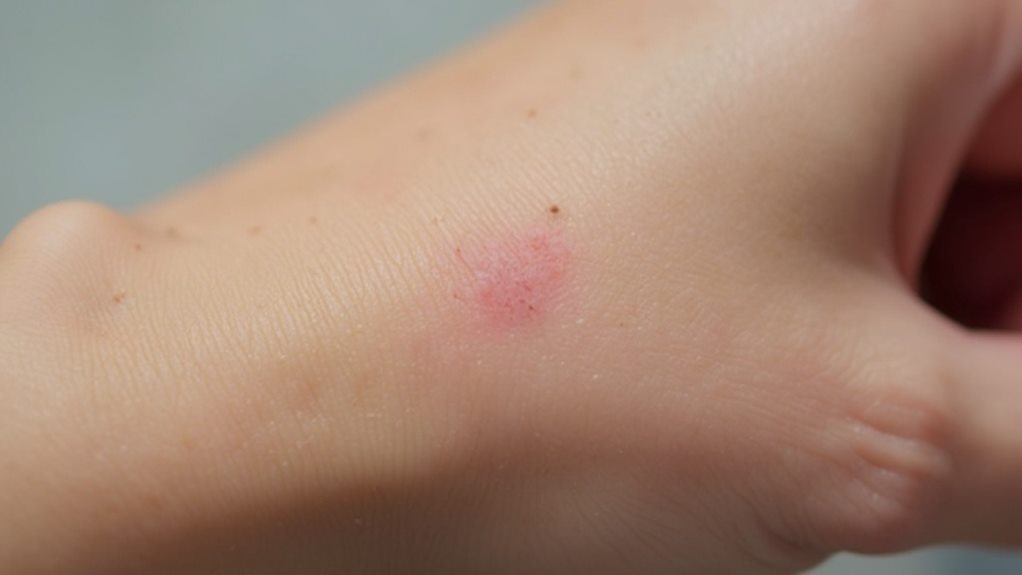
Nervous system injuries pose a significant threat to both the central and peripheral nervous systems, encompassing a broad spectrum of causes, including trauma, disease, and compression. These injuries can have profound implications on an individual's quality of life, manifesting in a variety of symptoms from persistent headaches and dizziness to severe weakness and sensory disturbances. The complexity of these injuries underscores the importance of early and accurate diagnosis, facilitated by advanced imaging techniques such as MRI and CT scans, as well as electrodiagnostic tests. The multifaceted nature of nervous system injuries necessitates a thorough approach to management and treatment.
Causes of Nervous System Damage
Peripheral nervous system (PNS) injuries can also occur due to compression, stretching, inflammation, or laceration of nerves. Conditions such as diabetes, certain infections, and autoimmune diseases like multiple sclerosis and lupus can cause nerve damage. Additionally, injuries such as carpal tunnel syndrome and repetitive trauma can affect the peripheral nerves[1][5].
Furthermore, diseases affecting blood supply to the brain, such as stroke and cerebrovascular disorders, can also impact the nervous system. Understanding these causes is vital for prevention and treatment strategies. Early diagnosis and appropriate medical care are essential to manage symptoms and prevent further damage. Regular medical check-ups and a healthy lifestyle can help mitigate the risk of nervous system damage.
Types of Nervous System Injuries
Nervous system injuries can be broadly categorized into two main types: central nervous system (CNS) injuries and peripheral nervous system (PNS) injuries.
Central nervous system injuries involve damage to the brain and spinal cord, which can occur due to various reasons such as traumatic accidents, sports injuries, strokes, and vascular malformations. These injuries can result in symptoms such as dizziness, headache, weakness, vision loss, seizures, and loss of consciousness[2][4].
Peripheral nervous system injuries, on the other hand, involve damage to the nerves that connect the CNS to the rest of the body. These injuries can occur due to lacerations, severe bruising, gunshot wounds, stretching, and electrical injuries[3]. Symptoms of PNS injuries can include severe pain, burning sensations, tingling, or total loss of sensation in the affected area. PNS injuries can be classified into three main types: neuropraxia, axonotmesis, and neurotmesis, each with varying degrees of severity and treatment options[4].
Understanding these types of injuries is essential for early diagnosis and appropriate treatment, ensuring the best possible outcomes for patients.
Central Nervous System Disorders
Impactful on daily life and functionality, disorders of the central nervous system (CNS) encompass a wide range of conditions that affect the brain and spinal cord. These disorders can arise from various causes, including injury, infections, degeneration, structural defects, tumors, and disruptions in blood flow. Common CNS disorders include vascular disorders such as stroke and transient ischemic attack (TIA), as well as structural disorders like brain or spinal cord injuries and tumors.
Symptoms of CNS disorders can vary considerably but often include persistent or sudden onset of headaches, loss of feeling or tingling, weakness or loss of muscle strength, loss of sight or double vision, and memory loss. Severe symptoms may include sudden problems with vision, weakness, or numbness, particularly if confined to one side of the body, and can indicate more serious issues like stroke[2][3][5].
Prompt medical evaluation is essential for diagnosing and treating CNS disorders. A multidisciplinary team of healthcare providers, including neurologists, neuroradiologists, psychologists, and physiatrists, work together to provide thorough care and support for individuals with CNS disorders. These professionals employ various diagnostic tests and treatment strategies, including medication, physical therapy, and surgery, to manage symptoms and restore functionality.
Peripheral Nervous System Injuries
Incurring damage to the delicate network of peripheral nerves can have profound effects on bodily functions, ranging from impaired movement and sensation to severe, unrelenting pain. The peripheral nervous system, consisting of 43 pairs of motor and sensory nerves, connects the brain and spinal cord to the rest of the body, controlling functions such as movement, sensation, and motor coordination[1][3].
Peripheral nerve injuries can result from various causes, including trauma, compression, laceration, severe bruising, and electrical injuries. Symptoms may include numbness, weakness, or paralysis of the limbs, burning or shock-like pain, and tingling sensations in the affected areas[3][4].
Treatment options for peripheral nerve injuries depend on the severity and type of injury. Non-surgical treatments such as physical therapy, medication, and orthotics may be sufficient for mild injuries. However, more severe injuries may require surgical intervention, including nerve repair, grafting, and decompression surgery to alleviate symptoms and prevent permanent damage[1][2]. Early diagnosis and treatment are essential to guarantee ideal recovery and prevent complications. A multidisciplinary approach, combining the expertise of neurosurgery, orthopedics, and physical medicine, is often necessary for effective management of peripheral nerve injuries.
Symptoms of Nervous System Damage
Damage to the nervous system can manifest through a range of symptoms, reflecting the complex and intricate functions it governs. These symptoms can vary greatly, from mild to severe, and may include persistent headaches, changes in existing headaches, loss of feeling or tingling, weakness or loss of muscle strength, impaired sight or double vision, and impaired mental abilities[1][2][3].
Common symptoms of nervous system damage include numbness, tingling (pins and needles), or burning sensations in the hands or feet, indicating peripheral nerve damage. Additionally, symptoms may include muscle weakness or paralysis, due to motor nerve damage, and disturbances in vision, taste, smell, and hearing, demonstrating the breadth of nervous system control over sensory functions[2][4].
It is essential to seek medical attention if symptoms persist or worsen, as timely diagnosis and treatment can greatly impact recovery and prevent further damage. Keeping a detailed diary of symptoms can aid healthcare providers in making accurate diagnoses and recommending appropriate treatments[3]. Early intervention can prevent long-term complications, emphasizing the importance of prompt medical consultation.
Diagnostic Tools and Techniques
Key diagnostic tools include imaging techniques such as computed tomography (CT) scans, magnetic resonance imaging (MRI), and positron emission tomography (PET) scans. These tests provide detailed images of the brain, spinal cord, and peripheral nerves, aiding in the detection of structural abnormalities, injuries, and diseases[1][4].
Electrodiagnostic tests, such as electromyography (EMG) and nerve conduction studies (NCS), are essential for evaluating the functionality of nerves and muscles. These tests help diagnose conditions such as peripheral neuropathy and muscular disorders[2][5].
Other diagnostic tools include electroencephalography (EEG) for analyzing brain activity, evoked potentials for evaluating sensory and motor responses, and spinal taps (lumbar punctures) for analyzing cerebrospinal fluid[1][4]. The combination of these diagnostic tools and techniques provides a thorough approach to diagnosing nervous system injuries, ensuring accurate and effective treatment strategies.
Treatment Options for Nervous System Injuries
A thorough treatment plan for nervous system injuries typically involves a multifaceted approach, tailoring interventions to the specific type and severity of the injury. Depending on the diagnosis, treatment may include pharmacological interventions, rehabilitation therapies, and in some cases, surgical procedures.
Pharmacological interventions may aim to manage symptoms such as pain, inflammation, and neurological deficits. For instance, medications for pain relief and muscle spasms are commonly used in the treatment of spinal injuries[1][2]. Rehabilitation therapies, including physical therapy, occupational therapy, and speech therapy, are designed to restore functionality and improve overall well-being.
Surgical interventions may be necessary to relieve pressure on the nervous system, repair damaged tissues, or remove sources of compression. For conditions such as herniated discs or tumors, surgery can be essential to prevent further damage[3]. Advanced imaging techniques such as MRI and CT scans play a significant role in guiding surgical interventions by providing detailed images of the affected area. Effective treatment requires collaboration between neurologists, neurosurgeons, and other healthcare professionals to develop extensive care plans tailored to each patient's needs.
Complications and Long-term Effects
Numerous complications can arise from nervous system injuries, impacting patients' quality of life markedly. The severity and location of the injury often determine the extent of these complications. For peripheral nerve injuries, complications may include persistent pain, tingling, and numbness in the affected areas, alongside muscle weakness and atrophy[1][2].
Severe cases, especially those involving spinal cord injuries, can result in more profound complications such as paralysis (tetraplegia or paraplegia), loss of bladder and bowel control, and difficulty breathing. These injuries can also lead to secondary issues like spasticity, autonomic dysreflexia, and increased risk for blood clots and pneumonia[5].
Long-term effects can vary greatly. Some patients may experience a gradual recovery over time, while others may face permanent changes. In cases where nerve regeneration is possible, recovery may be partial or complete, depending on the severity of the injury and the effectiveness of the treatment strategy. It is vital for patients to receive appropriate and timely medical care to mitigate these complications and improve long-term outcomes. Early intervention and thorough rehabilitation plans are essential to addressing these complex issues effectively.
Rehabilitation and Recovery Strategies
Recovering from a nervous system injury necessitates a thorough and multidisciplinary approach to rehabilitation. Effective strategies involve a combination of medical treatment, physical therapy, and psychological support tailored to the specific needs of the individual. For central nervous system (CNS) injuries, such as traumatic brain injury (TBI) and spinal cord injury (SCI), treatment strategies include neuroprotection and neuroregeneration techniques. Neuroprotective strategies aim to minimize cell damage and death, while neuroregenerative strategies promote axonal growth and remyelination to achieve functional recovery[1][3].
In contrast, peripheral nerve injuries often require surgical intervention, such as nerve repair or grafting, followed by physical therapy to promote nerve regeneration and functional recovery. Rehabilitation professionals play an essential role in identifying and managing peripheral nerve injuries, especially in disaster and conflict situations where timely referral is critical for ideal recovery[4]. A thorough treatment program includes pain management, muscle strengthening exercises, splinting/bracing, sensory retraining, and proprioception exercises to maximize function and prevent further injury[2][4]. Advanced therapies, such as stem cell therapies and neuroprosthetics, also hold promise for improving recovery outcomes[3][5]. By integrating these strategies, individuals can achieve significant improvements in functional recovery and quality of life.